What Makes Wedding Saree Shopping in Chennai Different
Chennai sits about 75 kilometres from Kanchipuram, and that proximity shapes how the city buys. Families here grow up around korvai borders, mayil chakram and rudraksham motifs, and most can tell a genuine zari weave from a tested-zari substitute by touch. Expectations run higher than in cities further from the weaving cluster.
Climate is the second factor. The city is warm and humid for most of the year, and a saree that feels regal in an air-conditioned showroom behaves differently at an outdoor reception in May. Weight, breathability and blouse fit matter more here than they would in Delhi or Bangalore.
The third is the calendar. Tamil weddings cluster around auspicious months, which compresses the shopping window into a few busy weeks shared by thousands of families at once.
Sarees for Each Function in a Tamil Wedding
A wedding runs across several days, and each function carries its own expectation.
For the engagement (Nichayathartham), light Kanchipuram silk or soft silk engagement sarees are a beautiful choice.
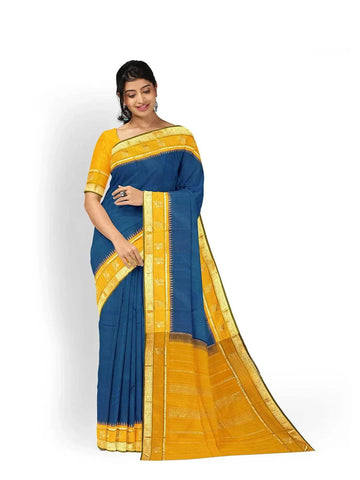
For the turmeric ceremony (Manjal Neerattu Vizha), opt for sarees in cheerful shades of yellow, marigold, or mustard.
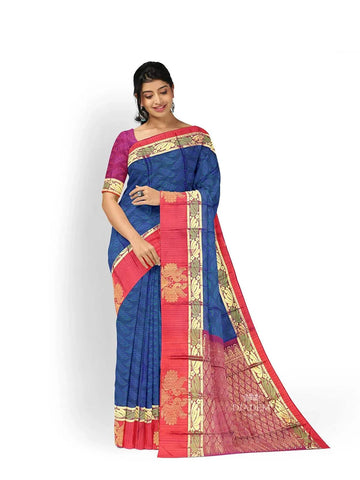
For the wedding morning (Muhurtham), the traditional choice is a Koorai Pudavai or a bridal Kanchipuram saree with a full Korvai border.
For the mother and close family, structured traditional sarees in deeper tones work particularly well.
For the reception, designer sarees, tissue sarees, and embroidered silks are suitable choices.
The muhurtham is where the heaviest weave belongs. Many brides wear the koorai pudavai gifted by the groom's family, traditionally a nine-yard silk, and Iyer and Iyengar brides often drape it as a madisar for the ceremony before changing into a six-yard silk for the rest of the day. Chettiar, Mudaliar, Nadar and Telugu-speaking families follow their own variations, but the constant is that the wedding-morning saree carries the most zari and the most ritual weight.
Reception silk sarees have moved in the opposite direction over the past few years, towards lighter bodies with statement borders. Receptions often run late and involve a long receiving line, so movement matters more than density of work.
Choosing Fabric for a Coastal Climate
Fabric is the decision most affected by where the wedding takes place.
Pure Kanchipuram silk remains the default for the muhurtham because it holds structure, carries substantial zari and lasts for decades. It is heavy, and that is the point. In an air-conditioned kalyana mandapam at 6 a.m., weight is not a problem. Across a long afternoon function, it can become one.
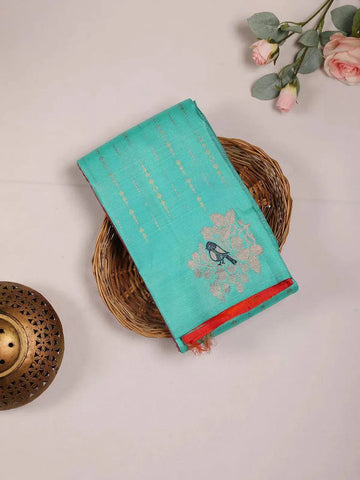
Soft silk sarees are the practical middle ground and what most families choose for the functions either side of the wedding day. They drape more easily, breathe better and still photograph as festive. For sangeet, cocktail and reception evenings, organza and georgette sarees handle heat far better than a full bridal silk while carrying sequin and beadwork detailing well. Relatives attending three or four functions in a single week often lean on semi silk and art silk sarees, which move between venues in Mylapore, Adyar, Anna Nagar and the ECR belt without creasing badly.
One point worth knowing: coastal humidity is hard on zari. If the wedding falls in the pre-monsoon or monsoon months, keep the saree out of plastic storage and allow slightly more ease in the blouse than an air-conditioned trial room would suggest.
Colours for Muhurtham and Reception
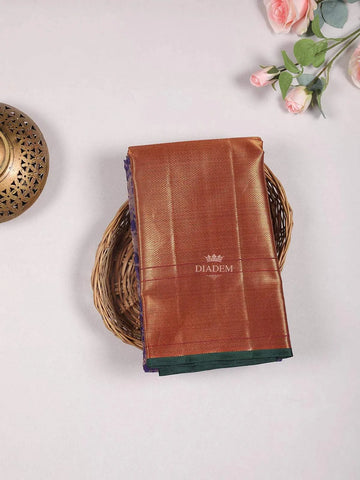
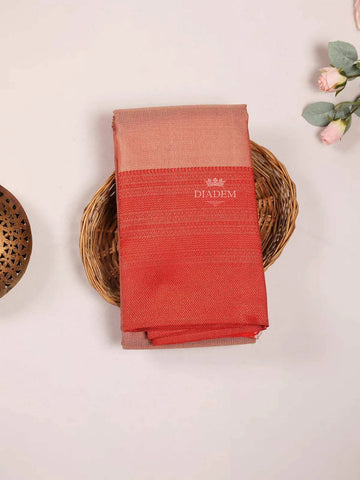
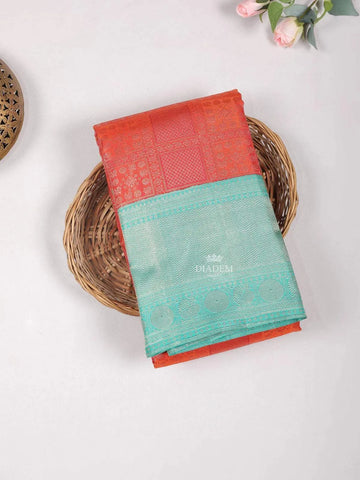
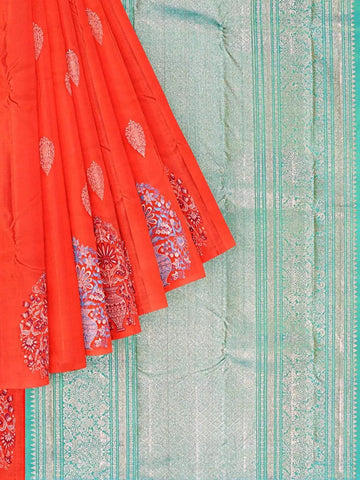
Red sarees remain the most requested choice for the muhurtham, and red carries more cultural weight in Tamil weddings than almost anywhere else in the country. Maroon, mustard-gold and the classic red-and-green korvai combination are equally traditional and photograph richly under both temple lamps and mandapam lighting.
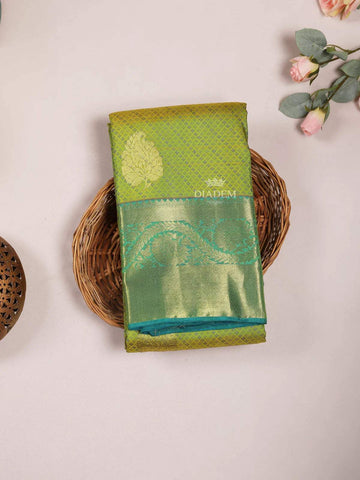
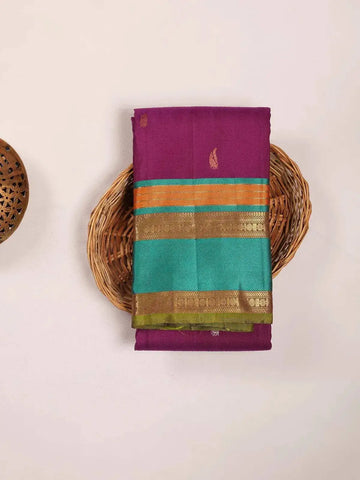
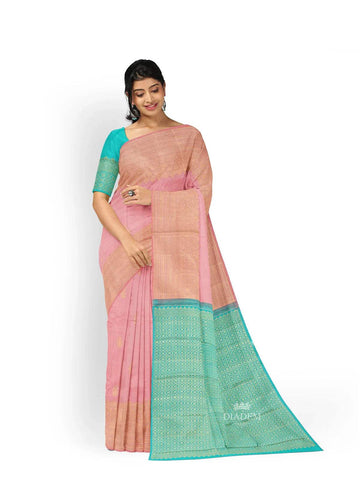
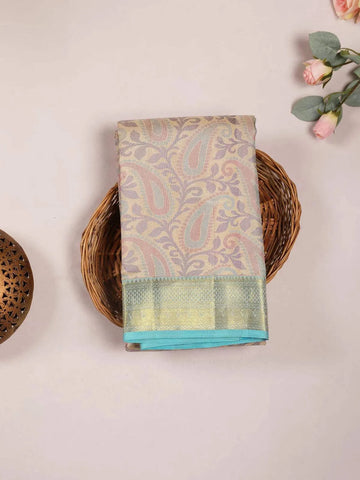
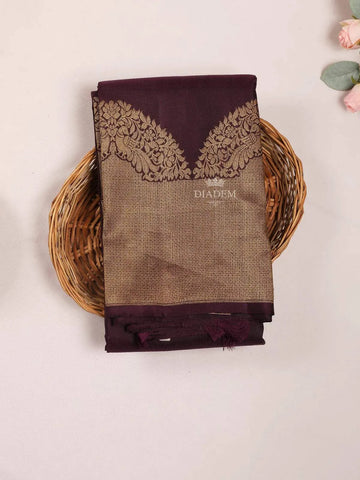
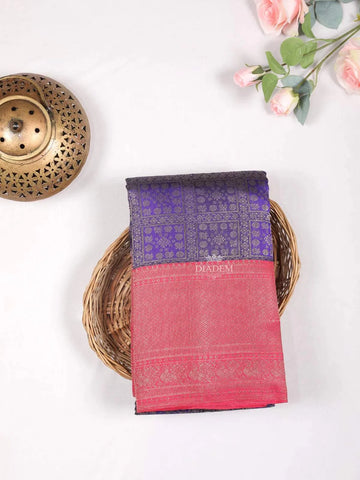
Beyond the wedding morning, the palette has widened. Green sarees in emerald and bottle green, purple sarees in deeper aubergine tones, and black sarees with antique gold zari have all become accepted reception choices. Pink sarees in blush and rose, along with grey, beige and cream sarees in champagne and ivory, suit daytime functions particularly well, since strong afternoon light tends to flatten very dark colours outdoors.
Three things are worth weighing before committing: whether the function is indoors or outdoors, the time of day, and what the rest of the immediate family is wearing. Coordinating palettes across mother, sisters and bride is far easier to plan online than across three separate showroom visits.
What Families Typically Spend
Budgets divide by role rather than by taste. Relatives and guests attending one or two functions are well served by sarees under ₹10,000, a band that covers a real range of soft silks, tissue and art silk. Sisters and close family most often land between ₹10,000 and ₹20,000 or ₹20,000 and ₹30,000, where designer detailing and pure silk weaves both open up.
For the bride's muhurtham saree and for the mother of the bride, the ₹30,000 to ₹40,000 and ₹50,000 and above ranges hold the heaviest weaves, full korvai borders and heirloom-grade zari work. A family planning four functions usually concentrates the budget on the muhurtham saree and keeps the other three deliberately lighter.
Choosing by Role in the Family
For the mother of the bride or groom, presence without competition is the brief. Rich silks, classic motifs and structured drapes in maroon, emerald, navy or antique gold suit the role, and comfort matters more here than anywhere else, since mothers are on their feet through rituals, hosting and photographs.
For sisters, the range is wider. Contemporary palettes, innovative borders and lighter embellishment work well, and ready to wear sarees have become genuinely popular among younger women managing several functions in a week. For close relatives and guests, festive but understated is the reliable choice, usually ethnic wear sarees in classic patterns and manageable weights that carry across more than one event. For sangeet and cocktail evenings, party wear sarees allow for dancing and long hours on the floor.
When to Start Shopping
Tamil weddings cluster around auspicious months, and the months traditionally avoided, including Aadi and Margazhi, push demand into concentrated windows. The weeks before Thai, Maasi, Panguni, Vaikasi and Aavani muhurthams are the busiest for saree buying, and custom blouse work becomes the bottleneck.
Start two to three months before the wedding date. That allows for fall and pico, blouse stitching, at least one round of alterations, and coordination across family members. If you want a specific weave, colour or border combination rather than whatever is in stock, three months is realistic rather than cautious. Families shopping the T. Nagar and Panagal Park circuit usually find that browsing online first narrows the shortlist considerably before anyone sets foot in a showroom.
Buying Wedding Sarees Online in Chennai
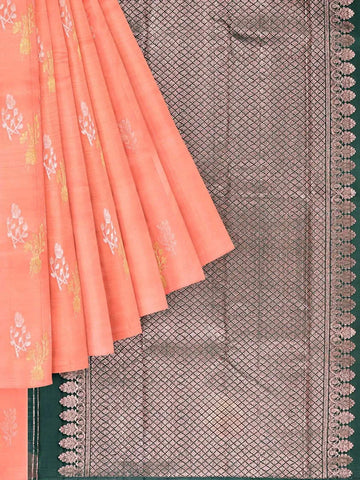
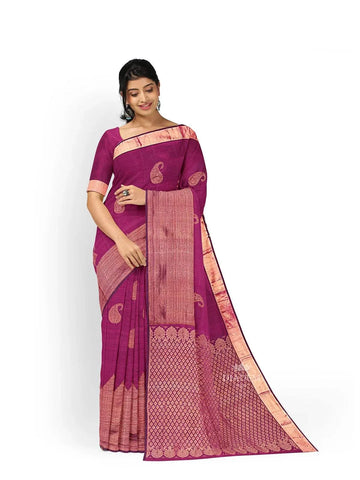
Buying online has become a normal part of the process rather than a compromise. Detailed weave information, close-up images of the border and pallu, and clear blouse-material descriptions let you judge craftsmanship before ordering. It also lets families coordinate looks across roles without booking separate appointments across the city.
Check delivery timelines against the muhurtham date, and leave a buffer for blouse stitching, which is almost always the longest step.
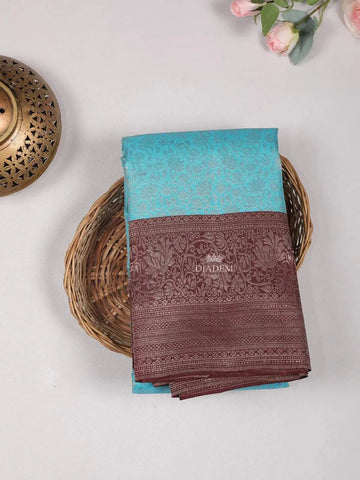
Explore the full range above, or browse bridal silk sarees for the main ceremony, pure Kanchipuram silk sarees for heritage weaves, wedding sarees for the full collection, and all sarees to see everything available.
Frequently Asked Questions
1. Where can I buy a wedding saree in Chennai?
Chennai's traditional saree market is concentrated around T. Nagar and Panagal Park, with Mylapore and Anna Nagar as secondary hubs. Many families now shortlist online first and visit showrooms only to confirm the final choice, since peak muhurtham season makes in-person browsing slow.
2. What is a koorai pudavai?
The koorai pudavai is the wedding saree traditionally gifted by the groom's family and worn by the bride for the muhurtham. It is classically a nine-yard silk in red, or red with a contrasting border, though many families now choose six-yard Kanchipuram silks in the same colour tradition.
3. Which saree is best for a muhurtham?
A bridal Kanchipuram saree with a korvai border and substantial zari. These hold structure through the ceremony, photograph well under mandapam lighting, and are the weave most Tamil families consider appropriate for the wedding morning.
4. How much does a wedding saree cost in Chennai?
Sarees in this collection start at ₹3,050 for tissue and party-wear designs and go above ₹4,00,000 for exclusive silk weaves. Most families budget between ₹30,000 and ₹60,000 for the main muhurtham silk and less for the surrounding functions.
5. Which fabric suits Chennai's humid climate best?
Soft silk, tissue, organza and blended weaves. They drape easily, breathe better than full bridal silk, and hold up through long functions in warm conditions. The heaviest Kanchipuram silk is best reserved for the muhurtham itself.
6. When should I start wedding saree shopping?
Two to three months before the wedding date. Blouse stitching, fall and pico, and alterations all need lead time, and tailors are heavily booked during auspicious Tamil months such as Thai, Panguni and Vaikasi.
7. What should the mother of the bride wear?
Structured pure silk in deeper tones such as maroon, emerald, navy, bottle green or antique gold. These read as festive and dignified without competing with the bride's muhurtham saree.
8. How many sarees do I need for a Tamil wedding?
A typical wedding runs across three to five functions, including nichayathartham, manjal neerattu vizha, muhurtham and reception. Most families plan one saree per major function, so three to four usually covers the celebration.
9. What is the difference between a bridal saree and a wedding saree?
A bridal saree is worn by the bride for the main ceremony and carries ritual significance. A wedding saree is worn across the wider celebration, by the bride at secondary functions and by mothers, sisters and relatives throughout.
10. Does the saree come with a blouse?
It varies by piece. Some sarees include a stitched designer blouse, some come with unstitched blouse material, and some are sold as the saree alone. The product description states which applies for each saree.
11. How do I care for a silk saree in a humid coastal climate?
Dry-clean only, never machine wash. Store it wrapped in soft cotton or muslin rather than plastic, since plastic traps moisture against the zari. Refold along different lines every few months and keep it away from direct sunlight and perfume.
12. Can a wedding saree be worn again?
Yes, and it commonly is. A muhurtham silk is frequently restyled for later weddings, Deepavali and family functions with a different blouse and lighter jewellery.
13. Is it safe to buy a wedding saree online?
Yes, provided the listing clearly states fabric, weave type, saree length and blouse material, and shows close-up images of the border and pallu. Check the return policy and confirm delivery timelines against the muhurtham date before ordering.





 Add to Cart