What Makes a Saree Right for a Reception
A reception is the least ritual-bound event of a wedding, and that changes what the saree needs to do.
The muhurtham saree is chosen for tradition and weight. A reception saree is chosen for presence under artificial light, ease of movement through several hours of greeting guests, and how it photographs from every angle. It can be lighter than a bridal silk saree, more contemporary in its design language, and far more open in colour.
This is why many brides now choose a reception saree over a lehenga. It offers the same grandeur with better comfort, and it can be re-worn to other celebrations in a way a bridal lehenga rarely is.
Designer Sarees for Reception
Designer sarees for reception differ from woven silks in where the work sits. A Kanchipuram saree carries its detail in the weave itself. A designer saree carries it in what is applied afterwards: sequins, beadwork, zardozi, stone embellishment, and scalloped or embroidered borders.
That distinction matters more at a reception than at any other function, because applied embellishment is what catches artificial light. Net, satin, organza and georgette bases hold sequin and bead work without adding weight, which is why they dominate the evening rather than the ceremony.
Jacket-style sarees, full-sleeve stitched designer blouses and scalloped borders all sit in this category. Many pieces arrive with a matching stitched blouse, which removes the stitching lead time that catches people out close to the wedding date.
Browse the wider designer sarees range for embellishment-led styles across all occasions, or bridal designer sarees for pieces built specifically for the bride.
Reception Sarees by Fabric
Fabric decides how a reception saree moves and how it catches light across the evening.
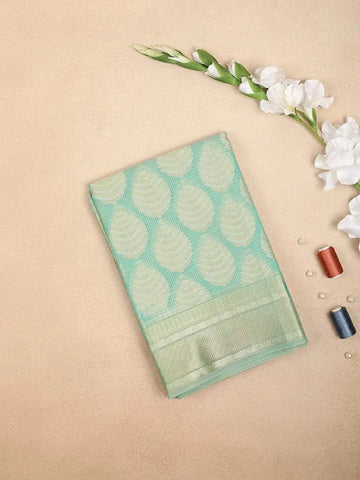
Pure Kanchipuram silk sarees bring full zari weight and structure, suited to brides who want the reception look to carry the same authority as the wedding day. Banarasi silk sarees offer intricate floral and butta weaving with a lighter body, which works well under indoor lighting.
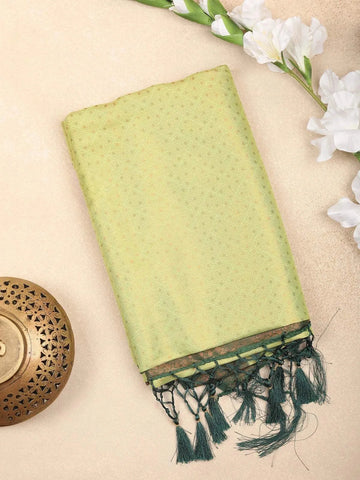
For an easier evening, soft silk sarees and semi silk sarees drape more fluidly while keeping the sheen. Art silk sarees suit guests and younger family members who want a festive look at an accessible price, and silk cotton weaves stay comfortable through long receptions without losing polish.
On the designer side, organza sarees hold structure with a sheer body, net sarees carry heavy sequin and bead work without weight, and georgette sarees and satin sarees give a fluid drape with a lustrous finish.
Reception Saree Designs and Patterns
Six design directions run through this collection.
- Sequin and bead embroidery. Applied work across net and satin bases. The most reflective option under evening lighting.
- Zardosi and heavy work. Dense metallic embroidery, usually concentrated on the border and pallu.
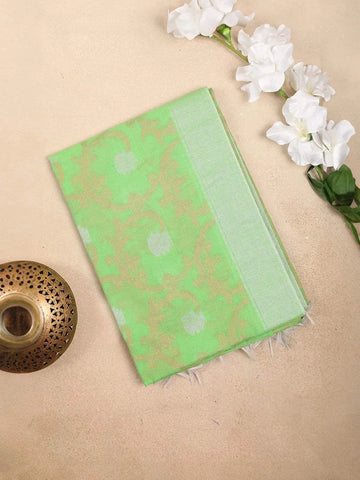
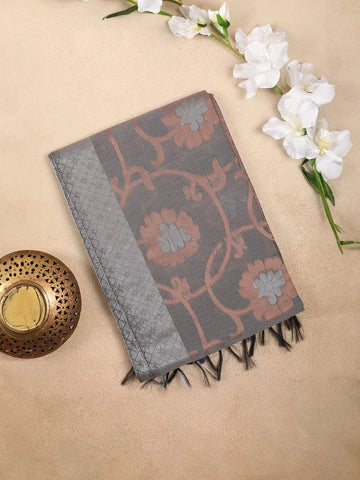
- Floral motifs. Soft, feminine detailing across the body with a defined border. The most versatile choice for both brides and guests.
- Geometric and grid patterns. Modern and structured, with matching or contrast borders. Suits contemporary venues.
- Plain and minimal bodies. A quiet body with a strong zari or contrast border. Understated and photographs cleanly.
- Zari butta and border work. Fine zari across the body with a matching or contrast border. The most traditional of the six.
Reception Sarees for the Bride
For the bride, the reception saree is the second major look of the wedding, and it usually moves away from the muhurtham palette.
Two routes are common. Heavier Kanchipuram and Banarasi weaves carry continuity from the ceremony, while designer sarees for reception in net or satin create deliberate contrast. Heavy work sarees sit at the richest end of either route.
The practical consideration is the evening itself. A bride stands, greets and photographs for several hours. A saree that holds its drape without constant adjustment matters more at the reception than at any other function.
Reception Sarees for Family and Guests
Reception sarees are not only bridal wear. Mothers, sisters, relatives and guests all need something appropriate for the same evening.
For mothers, traditional sarees in deeper tones carry presence without competing with the bride. Sisters and cousins often prefer designer reception styles or party wear sarees with lighter embellishment and contemporary blouses.
Guests attending a single evening are usually best served by ethnic wear sarees and fancy wear sarees, which look festive without the weight or cost of full bridal silk. Ready to wear sarees are a practical choice for anyone travelling to the venue.
Colour Choices for Reception Sarees
Reception colour rules are looser than muhurtham colour rules, which is part of the appeal.
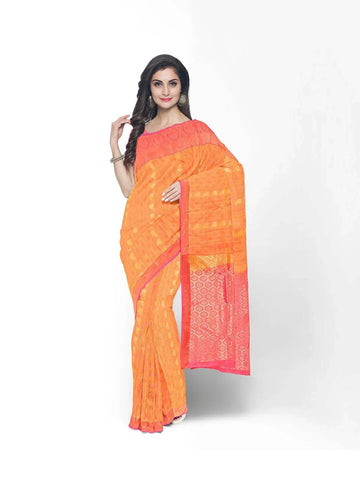
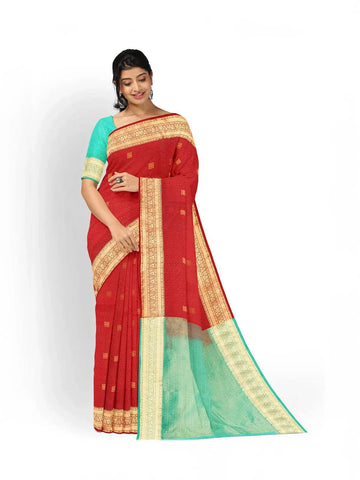
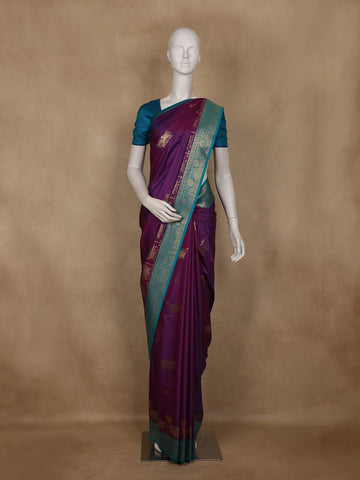
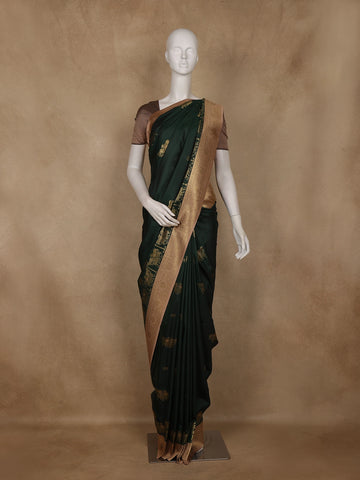
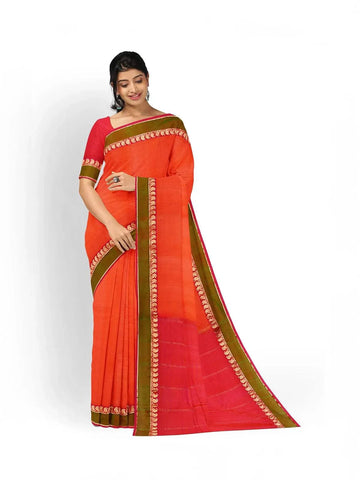
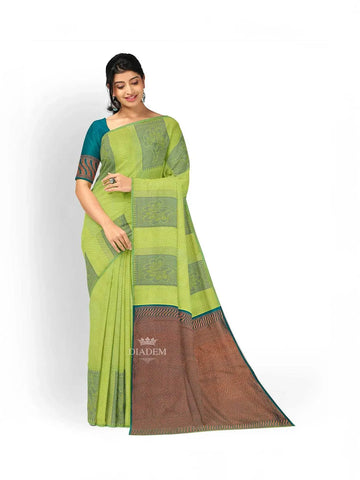
Red sarees remain a strong bridal choice, carrying celebration and warmth under evening lighting. Purple sarees, green sarees and blue sarees in jewel tones photograph richly indoors and have become the modern reception standard.
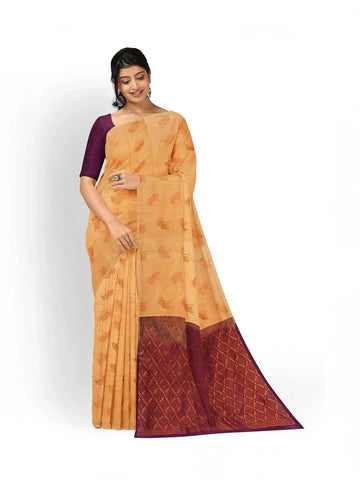
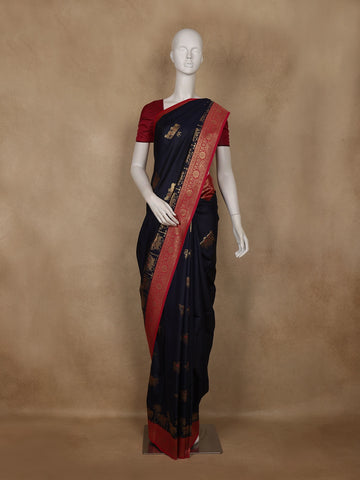
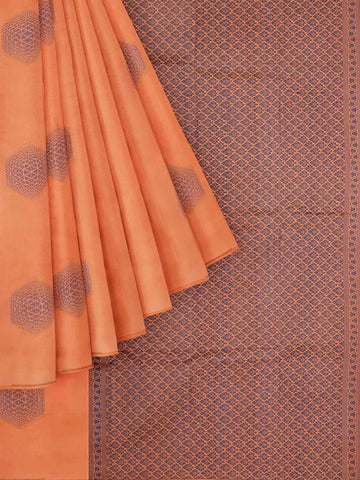
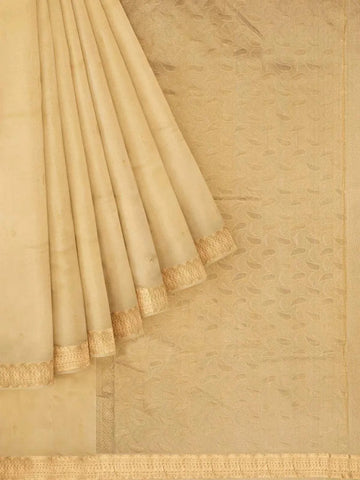
For softer evenings, pink sarees, coral and peach sarees and grey, beige and cream sarees in champagne and ivory work well. Black sarees with gold zari or zardozi have become an accepted reception choice, particularly for guests and for contemporary venues.
Two things to check before deciding: the venue lighting, since warm indoor light deepens reds and golds while flattening pastels, and the photographer's setup, since heavy flash can wash out very light shades and over-brighten sequin work.
Saree Draping Styles for a Reception
Drape changes both comfort and silhouette across a long evening.
Nivi Drape
The classic South Indian style. Flattering, easy to move in, and it shows the pallu detailing clearly. The safest choice for most reception sarees.
Bengali Drape
A pleated pallu across the body that adds volume and depth. Suits heavier silks and reads as distinctly traditional.
Mermaid Drape
Contours the body for a structured, contemporary silhouette. Works best with lighter designer fabrics that hold a shape without bulk.
Lehenga-Style Drape
Combines saree fabric with lehenga flow. Comfortable for long receptions and allows easy movement, which is why brides often choose it for the evening.
How to Style a Reception Saree
Blouse. Reception blouses can be more adventurous than muhurtham blouses. Embroidered panels, high necks, sleeveless cuts, full sleeves and off-shoulder designs all work. Structure matters most with heavier silks. Many designer sarees for reception include a matching stitched blouse, which removes the tailoring wait.
Jewellery. Statement pieces suit the reception better than the ceremony. Kundan, polki and bold gold necklaces hold their own against evening lighting. For heavily sequinned or zardozi sarees, keep the jewellery simpler so the two don't compete.
Hair. A low bun or chignon keeps the pallu visible and stays neat through the evening. Gajra, fresh flowers or jewelled pins add detail without needing re-styling.
Footwear. Heels or embellished flats, chosen for how long you'll be standing rather than how they look in one photograph.
Reception Sarees by Budget
This collection spans a wide range, and the right band usually follows the role.
Guests and extended family are well covered by sarees under ₹5,000 and sarees under ₹10,000, which include art silk, silk cotton and lighter designer options. Close family and sisters often work within ₹10,000 to ₹20,000, where pure silk and finer embroidery become available.
For the bride, the ₹20,000 to ₹30,000 band and above holds Banarasi and Kanchipuram weaves with fuller zari work, and designer pieces with heavy sequin and bead embroidery.
Buying Reception Sarees Online
Buying a reception saree online lets you compare fabrics, colours and borders across a far wider range than a single showroom visit allows.
Detailed product descriptions, weave information and close-up images of the border and pallu are what make an online purchase reliable. Check the blouse details before ordering, since some sarees include a stitched blouse, some come with unstitched material, and some are sold alone.
Explore the full range above, or browse bridal sarees for the main ceremony, wedding sarees for other functions, and all sarees to see the complete collection.
Frequently Asked Questions About Reception Sarees
1. What is a reception saree?
A reception saree is worn to the wedding reception, the celebration held after the main ceremony. It is typically lighter and more contemporary than a bridal saree, chosen for movement, photographs and long evenings rather than ritual significance.
2. What are designer sarees for reception?
Designer sarees for reception are embellishment-led rather than weave-led. They use net, satin, organza or georgette as a base, with sequins, beadwork, zardozi or stone work applied on top. The applied embellishment catches artificial light, which is why they suit evening receptions better than daytime ceremonies.
3. Which saree is best for a wedding reception?
Silk sarees and designer sarees are both strong choices. Kanchipuram and Banarasi silk suit brides who want full grandeur, while sequinned and zardozi designer sarees in net or satin suit those who want the reception look to contrast with the ceremony.
4. Should I choose a designer saree or a silk saree for the reception?
Silk carries weight, structure and traditional authority. A designer saree is lighter, more contemporary, and its embellishment reads better under evening lighting. Brides who want the reception to contrast with the muhurtham usually choose designer; those who want continuity choose silk.
5. How much does a reception saree cost?
Reception sarees in this collection range from ₹2,250 to ₹23,750. Art silk and silk cotton options sit at the lower end, while pure Banarasi and Kanchipuram silk weaves sit at the upper end.
6. What colour saree is best for a reception?
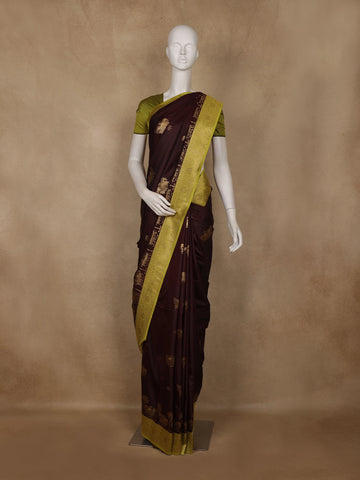
Red remains the classic bridal choice. Jewel tones such as royal blue, emerald, purple and wine photograph particularly well under indoor lighting. Champagne, ivory and pastel shades suit softer, contemporary receptions.
7. Can a bride wear a saree instead of a lehenga for the reception?
Yes, and many now do. A reception saree offers comparable grandeur with easier movement, and it can be re-worn to later celebrations in a way a bridal lehenga usually cannot.
8. What is the difference between a bridal saree and a reception saree?
A bridal saree is worn for the main ceremony and carries ritual weight, usually in traditional colours and heavier weaves. A reception saree is worn to the celebration afterwards, and allows more freedom in colour, design and drape.
9. Which fabrics work best for designer reception sarees?
Net, satin, organza and georgette are the most common bases. They hold sequin, bead and zardozi work without adding weight, and they drape fluidly enough to stay comfortable through a long evening.
10. Which drape works best for a reception saree?
The Nivi drape is the safest and most flattering for most sarees. The lehenga-style drape suits brides who want easier movement, while the mermaid drape gives a contemporary structured silhouette.
11. What blouse styles suit reception sarees?
Embroidered blouses, high-neck designs, sleeveless cuts, full-sleeve designer blouses and contrast silk blouses all pair well. Heavier silks need a structured blouse to hold the drape.
12. Can guests wear designer sarees to a reception?
Yes. Guests typically choose lighter designer pieces or art silk in festive colours, keeping the embellishment lighter than the bride's so as not to compete.
13. Are reception sarees comfortable for a long evening?
Net, georgette, soft silk and silk cotton are the most comfortable across several hours. Heavier Kanchipuram weaves and densely embroidered designer pieces look grand but require more adjustment.
14. What jewellery should I wear with a reception saree?
Statement jewellery works better at receptions than at ceremonies. Kundan, polki or bold gold pieces hold their presence under evening lighting. For heavily sequinned or zardozi sarees, keep the jewellery simpler.
15. Does the reception saree come with a blouse?
It varies by piece. Many designer sarees include a matching stitched blouse, some come with unstitched blouse material, and others are sold as the saree alone. The product description states which applies.
16. When should I buy my reception saree?
Two to three months before the wedding. This allows time for blouse stitching, fall and pico work, and any alterations. Designer sarees that arrive with a stitched blouse shorten this considerably.
17. Is it safe to buy a reception saree online?
Yes, provided the fabric, weave type, saree length and blouse details are clearly stated. Look for close-up images of the border and pallu, and check the return policy before ordering.





 Add to Cart