


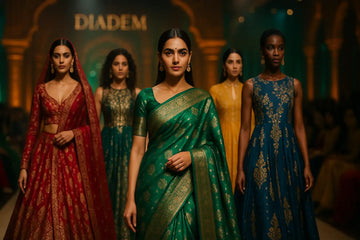
Cultural Revival 2025: How Designers Are Reinventing Ethnic Wear for Global Fashion
Fashion in 2025 is not just about aesthetics—it’s about identity, heritage, and cultural storytelling. Around the globe, ethnic wear is undergoing a powerful transformation. Designers are no longer treating traditional garments as “festive-only” attire; instead, they are reinventing them for modern lifestyles and taking them to international runways.
From an embroidered saree paired with sneakers to a kimono-inspired trench coat or a dashiki reinterpreted as evening couture—ethnic wear has become a symbol of pride and innovation, bridging the gap between local tradition and global fashion.
Tradition Meets Innovation
The revival of ethnic wear in 2025 isn’t about nostalgia—it’s about reimagining heritage for the present and future.
-
Hybrid Silhouettes: Designers are blending timeless patterns and embroidery with contemporary cuts—think asymmetrical saree gowns, kaftans styled as power dresses, or dhotis paired with tailored blazers.
-
Tech Meets Craft: Advanced fabric technologies like breathable smart textiles, recycled fibers, and 3D-printed embellishments are being integrated with traditional weaving, dyeing, and hand embroidery techniques.
-
Global Adaptability: Instead of being confined to cultural festivals, ethnic wear is entering workwear, streetwear, and even red-carpet fashion.
This balance allows people to wear pieces that feel authentic yet accessible in modern, urban lifestyles.
Sustainability with a Story
One of the biggest reasons for the global embrace of ethnic fashion is its sustainability factor.
-
Slow Fashion: Unlike fast fashion, ethnic wear often carries the ethos of handmade, durable craftsmanship. In 2025, this resonates with consumers who value mindful shopping.
-
Artisan Empowerment: Designers are increasingly collaborating with local artisans and rural communities, ensuring fair wages and preserving cultural techniques such as block printing, ikat weaving, batik dyeing, or Zulu beadwork.
-
Eco-Friendly Fabrics: Natural dyes, organic cotton, silk alternatives, and plant-based fabrics are at the forefront of this revival, aligning tradition with environmental consciousness.
Every piece of ethnic wear doesn’t just tell a cultural story—it tells an eco-story too.
Fusion for the Future
The most exciting aspect of cultural revival in 2025 is fusion fashion—the ability to blend tradition with global trends.
-
A lehenga skirt styled with a leather jacket becomes a statement outfit.
-
A kimono-inspired wrap dress works as business casual wear.
-
A poncho woven with indigenous patterns becomes a luxury streetwear staple.
-
A Maasai-inspired choker necklace turns into a must-have accessory for global fashionistas.
Fusion makes ethnic wear versatile, breaking the boundaries of geography and allowing people from different cultures to embrace it authentically.
Trendy Talk: The Hashtags, The Vibes, The Mood
Ethnic fashion is not just on runways—it’s all over social media in 2025.
-
#EthnicChic is trending on Instagram, with influencers styling saris with sneakers or beaded chokers with denim.
-
TikTok fashion creators are blowing up with “Get Ready With Me” (GRWM) videos showing how they mix heritage outfits into daily fits.
-
Pinterest boards are full of fusion bridal looks—think crop-top lehengas, kimono wedding gowns, and embroidered tuxedos.
-
Celebrities and Gen Z icons are proudly wearing cultural pieces to music festivals, red carpets, and even Met Gala-inspired events.
The Global Runway
Cultural revival is no longer a local phenomenon—it’s dominating global fashion weeks.
-
Paris and Milan: Haute couture houses are embracing hand embroidery and traditional draping inspired by Asia and Africa.
-
New York and London: Streetwear brands are incorporating tribal motifs, indigenous prints, and artisan textiles into everyday collections.
-
Tokyo: Designers are merging futuristic minimalism with kimono aesthetics, creating a fresh wave of cultural futurism.
The once “traditional” attire is now rebranded as timeless, inclusive, and aspirational. Fashion critics have begun calling this “The Era of Cultural Renaissance.”
Why It Matters in 2025
The revival of ethnic wear is about more than just fashion—it’s about cultural preservation, inclusivity, and identity.
-
For Younger Generations: Reinvented ethnic wear makes heritage feel relevant, stylish, and wearable in daily life.
-
For Global Audiences: It creates cultural appreciation rather than appropriation, where traditions are celebrated with authenticity.
-
For Communities: It strengthens local economies by giving craftsmen and artisans a global platform.
Ethnic wear in 2025 represents a dialogue between past and future, proving that traditions can evolve without losing their soul.
Final Thoughts: The Future of Cultural Revival
As we step deeper into 2025, fashion is no longer divided between “modern” and “traditional.” Instead, we are entering an era where ethnic wear is global wear—where a sari can be styled for the streets of New York, a kimono for the offices of London, and an African Ankara print gown for the red carpets of Paris.
Cultural Revival 2025 isn’t just a fashion movement—it’s a cultural revolution. By reinventing ethnic wear, designers are not only shaping trends but also shaping a future where identity, artistry, and sustainability come together in harmony.
